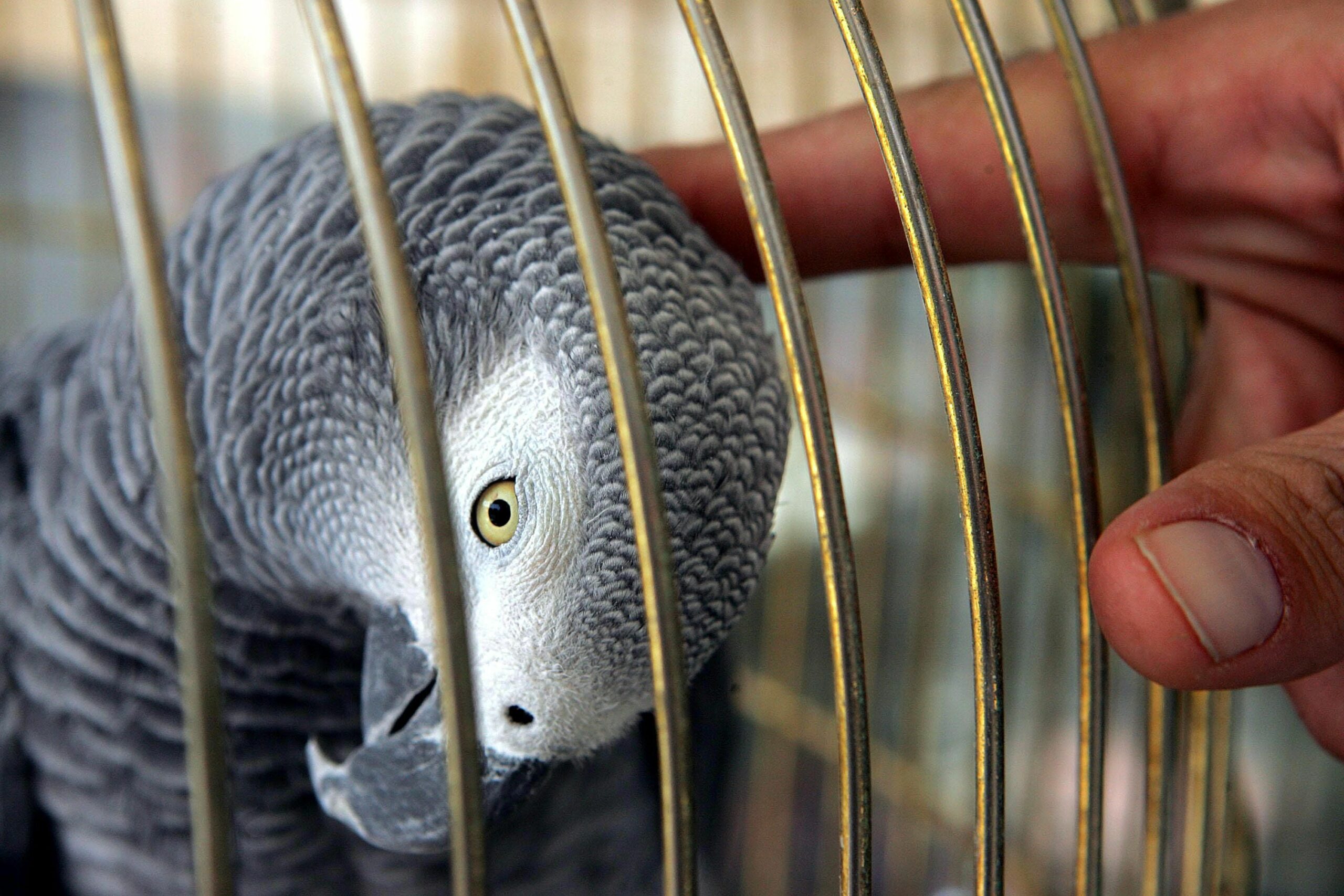
As dedicated bird owners, it’s crucial to be vigilant about the health of our feathered companions. Understanding common health issues, recognizing their signs and symptoms, and taking preventive measures are essential aspects of responsible bird care. Here’s a comprehensive guide to help you navigate through common health concerns in pet birds:
- Respiratory Problems:
- Signs & Symptoms: Wheezing, labored breathing, nasal discharge, sneezing, and tail-bobbing.
- Prevention: Ensure proper ventilation in the bird’s environment, avoid exposure to cigarette smoke or aerosol sprays, and maintain clean living conditions.
- Nutritional Deficiencies:
- Signs & Symptoms: Feather abnormalities, loss of appetite, lethargy, and developmental issues.
- Prevention: Offer a balanced diet consisting of pellets, fresh fruits, vegetables, and occasional treats. Consult with a veterinarian to determine any necessary supplements.
- Parasitic Infections:
- Signs & Symptoms: Feather plucking, excessive scratching, weight loss, and visible parasites.
- Prevention: Regularly clean and sanitize the bird’s living area, provide fresh food and water, and schedule routine check-ups with a veterinarian.
- Gastrointestinal Disorders:
- Signs & Symptoms: Diarrhea, vomiting, abnormal droppings, and decreased activity.
- Prevention: Maintain proper hygiene in the bird’s enclosure, avoid feeding spoiled or contaminated food, and ensure access to fresh, clean water at all times.
- Behavioral Issues:
- Signs & Symptoms: Aggression, excessive screaming, feather plucking, and self-mutilation.
- Prevention: Provide mental stimulation through toys, social interaction, and a stimulating environment. Address any underlying stressors promptly.
- Avian Pox:
- Signs & Symptoms: Lesions on the skin, beak, or inside the mouth, decreased appetite, and respiratory distress.
- Prevention: Minimize exposure to mosquitoes and other vectors, maintain good hygiene, and isolate infected birds to prevent transmission.
Conclusion: By familiarizing yourself with the signs, symptoms, and preventive measures associated with common health issues in pet birds, you can effectively safeguard their well-being and ensure a long, happy life. Remember, early detection and proactive care are key to maintaining the health and vitality of your avian companions.