Our Location
304 North Cardinal St.
Dorchester Center, MA 02124

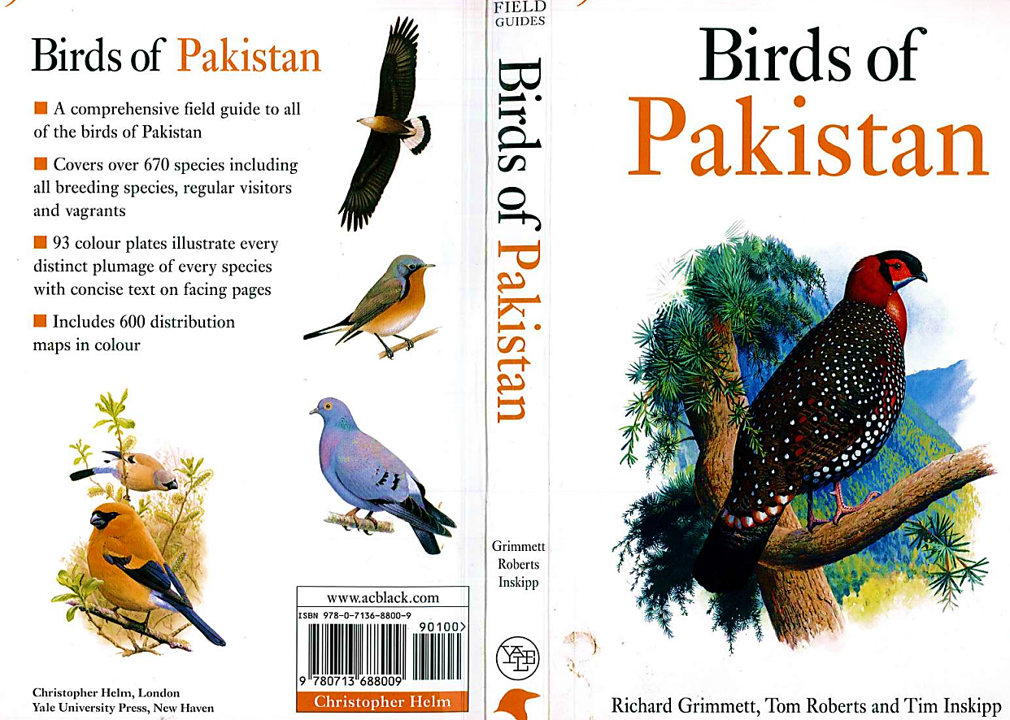
In Pakistan, the tradition of birdkeeping has deep roots that date back centuries. Birds hold a special place in Pakistani culture, serving as symbols of beauty, freedom, and spirituality. From the majestic falcons used for hunting to the colorful songbirds kept as pets, birds play diverse roles in the lives of Pakistanis. In this blog, we’ll explore the traditional birdkeeping practices in Pakistan from a cultural perspective, shedding light on the significance of birds in Pakistani society.
1. Birds as Cultural Symbols: Birds have long been revered in Pakistani culture, symbolizing various virtues and ideals. Falcons, such as the Shaheen, hold a revered status in Pakistani folklore, symbolizing courage, strength, and nobility. The sight of a falcon soaring through the sky is often associated with power and freedom, evoking a sense of awe and admiration.
2. Falconry: A Time-Honored Tradition: Falconry, the art of training birds of prey for hunting, is an age-old tradition in Pakistan. Falcons, particularly the Peregrine Falcon and Saker Falcon, are trained by skilled falconers to hunt small game, such as partridges and hares. This ancient practice has been passed down through generations, with falconry festivals and competitions held across the country to celebrate this cultural heritage.
3. The Art of Pigeon-Keeping: Pigeon-keeping is another traditional birdkeeping practice that remains popular in Pakistan. Pigeon fanciers, known as “kabootarbaaz,” breed and train pigeons for beauty contests and aerial acrobatics. Each year, pigeon enthusiasts gather at festivals and exhibitions to showcase their prized birds and compete for prestigious awards.
4. Songbirds: Melodies of the Heart: Songbirds, such as the Bulbul and Shama, are cherished for their melodious songs and vibrant plumage. These birds are often kept as pets and prized for their ability to fill the air with beautiful tunes. Bird markets, known as “sasta bazaars,” are bustling hubs where enthusiasts gather to buy, sell, and trade songbirds, fostering a sense of community among bird lovers.
Conclusion: Traditional birdkeeping practices in Pakistan are deeply intertwined with the country’s rich cultural heritage. Whether it’s the regal falcons used for hunting, the graceful pigeons admired for their beauty, or the melodious songbirds cherished for their songs, birds hold a special place in the hearts of Pakistanis. By preserving these traditions, we honor our ancestors and ensure that future generations can continue to appreciate the beauty and significance of birds in Pakistani society.
